blog | inmotion training studio
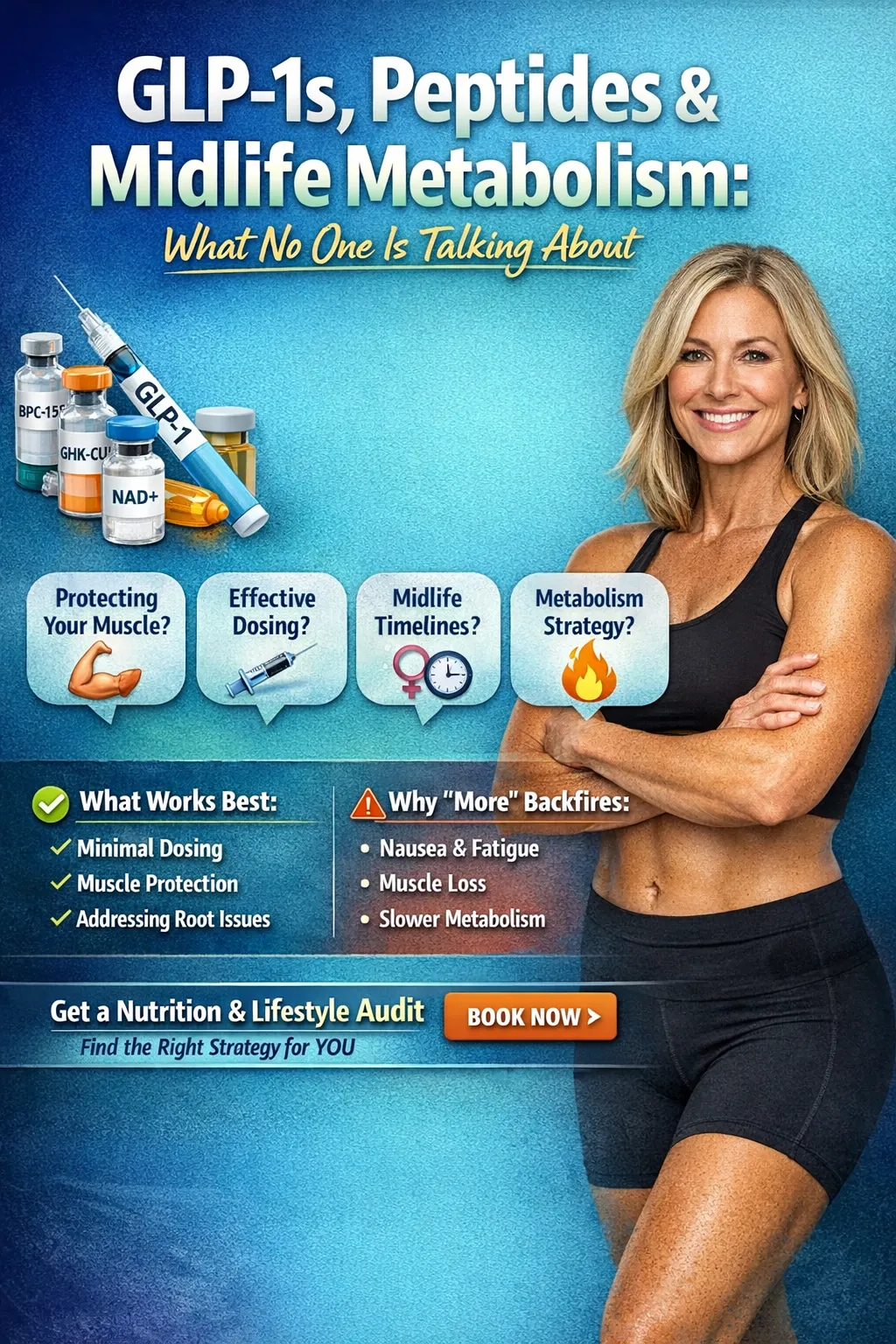
GLP-1s, Peptides, and Midlife Metabolism: What No One Is Talking About
GLP-1 medications — like semaglutide, tirzepatide, and the newer triple agonist retatrutide — are everywhere right now.
You’ve probably heard about them.
You might even be on one.
But here’s what I don’t see talked about nearly enough:
Did anyone explain how to protect your muscle while using them?
Did anyone talk about minimal effective dosing?
Did anyone explain realistic timelines in perimenopause and menopause?
Did anyone build a strategy so your metabolism doesn’t slow down in the process?
Because that part matters.
And beyond GLP-1s, there are other peptides being discussed for longevity, recovery, and skin support — including combinations like BPC-157 + TB-500 (often called the “Wolverine Stack”), GHK-Cu, glutathione, ipamorelin/tesamorelin, B12, NAD+, and more.
This space is exploding.
Which is exactly why it requires more education — not less.

Why I’ve Invested So Much Education in This Space
Over the past six months, I’ve completed two peptide education programs (including one focused specifically on women) and I’m currently in a mentorship with a functional nutrition practitioner who has worked with complex metabolic cases for over a decade.
That’s layered on top of my work in:
Perimenopause & menopause specialization
Functional nutrition & metabolism
Microbiome education
Strength & mobility coaching
Why?
Because the peptide world right now is loud.
It’s booming.
It’s controversial.
Influencers are selling what worked for them.
Opinions are flying.
But peptides are not trendy supplements.
They are biologically active signaling molecules.
They shift physiology.
That deserves thoughtful strategy — not hype.
I Was Doing Everything “Right”… And Still Stuck
Here’s the honest part.
I was doing all the foundational things:
High protein
Fiber
Strength training
Walking and daily steps
Sleep
Stress management
Sunlight
Labs
Supplements
Everything.
And the scale?
It was going up.
I used to think:
“These are overhyped.”
“Women just need tighter habits.”
But midlife physiology doesn’t always cooperate with discipline alone.
Here’s what actually shifts in midlife:
Estrogen declines
Insulin sensitivity changes
Cortisol spikes more easily
Muscle mass declines faster
Even when you’re doing the work.
That’s not a discipline problem.
That’s biology.
When I approached peptides strategically — not aggressively — things shifted. Since January, I’ve lost about 7 pounds, my belly inflammation has significantly decreased, and I feel steadier metabolically.
Do I still have more I could lose? Maybe.
But the number on the scale isn’t the priority.
Protecting muscle is.
Because muscle is metabolism.
If you’re on a GLP-1 and not tracking body composition, you’re guessing.
What We’re Seeing Works Better
More is not always better.
One of the biggest mistakes happening right now is assuming:
“If a little works… more will work faster.”
That’s not how physiology works.
Many women respond beautifully to minimal effective dosing instead of racing to the highest recommended amount.
When done properly — alongside muscle protection and solid habits — GLP-1s can:
Improve blood sugar stability
Reduce inflammatory load
Decrease “food noise”
Support metabolic flexibility
But they are tools.
Not magic.
And if underlying issues exist — like SIBO, Hashimoto’s, chronic inflammation, stress overload, or gut imbalances — those often need to be addressed first.
Why “More” Often Backfires
Most side effects show up when dosing climbs too quickly or too high for that individual.
Common side effects include:
Nausea
Reflux
Bloating
Constipation
Fatigue
Headaches
Dizziness
Loss of appetite to the point of under-eating
Muscle loss
Hair thinning
Low energy
Feeling “flat” or depleted
Here’s what’s happening behind the scenes:
GLP-1 medications slow gastric emptying. That’s part of how they work.
But when dosing is aggressive, digestion can slow too much — leading to nausea, reflux, constipation, and discomfort.
They also blunt appetite.
That can help regulate intake — but if protein drops too low and calories crash too hard, the body pulls from muscle.
And muscle loss = slower metabolism.
Some women feel exhausted at higher doses because they simply aren’t fueling enough, especially if they’re strength training.
So when someone says, “I can barely eat,” that’s not always a win.
That can be a red flag.
The Goal Isn’t Suppression — It’s Support
Minimal effective dosing often allows:
Blood sugar regulation without extreme appetite suppression
Reduced food noise without malnourishment
Fat loss while preserving muscle
Better tolerance with fewer GI issues
Sustainable progress
It’s not about maxing out the dose.
It’s about finding the lowest amount that improves signaling without overwhelming the system.
Because peptides are amplifiers.
If your habits are solid, they enhance results.
If your habits aren’t supported, higher doses can amplify stress.
This is especially true in perimenopause and menopause, where:
Muscle is already harder to maintain
Sleep may already be fragile
Cortisol may already be elevated
Digestion may already be sensitive
The body doesn’t need force.
It needs intelligent support.
My Role in This Space
I am not a medical doctor. I do not diagnose, treat, or prescribe.
What I do is:
Educate
Help interpret patterns
Guide you toward appropriate labs when needed
Help identify root causes
Ensure minerals, nutrient status, inflammation, and habits are supported
Build strategies that protect muscle and metabolism
Some women and men over 40 need peptides.
Some need gut repair.
Some need nervous system regulation.
Some don’t need peptides at all.
This is about precision — not trends.
Peptides are not step one.
Foundations are.
And when foundations are strong, tools can be layered in strategically.
If You Want Clarity
I’m currently offering my Nutrition & Lifestyle Audit (normally $199) for $99.
Inside the audit, we review:
Your symptoms
Your habits
Protein & fiber intake
Strength training strategy
Body composition goals
Inflammation patterns
Peptide education (if appropriate)
Realistic timelines
If you move into 1:1 coaching, your $99 audit is applied to your first month.
No wasted investment.
If you’re unsure, start with a free 20-minute discovery call and we’ll talk through your situation.
Book your audit here:
[Insert Booking Link]
Midlife metabolism isn’t broken.
It just requires a smarter strategy.
And hype has never been a strategy.

In motion training studio - bend
social media


REQUEST MORE INFORMATION
change you can do & results you will see


LOCATION
inMotion Training Studio
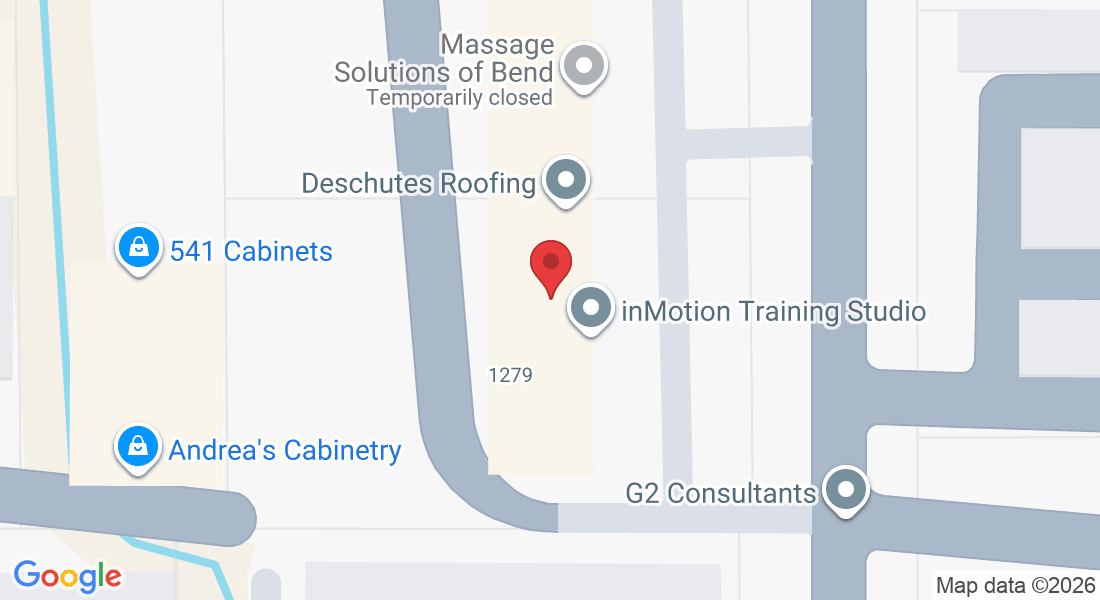
1279 NE 2nd St, Bend, Oregon 97701