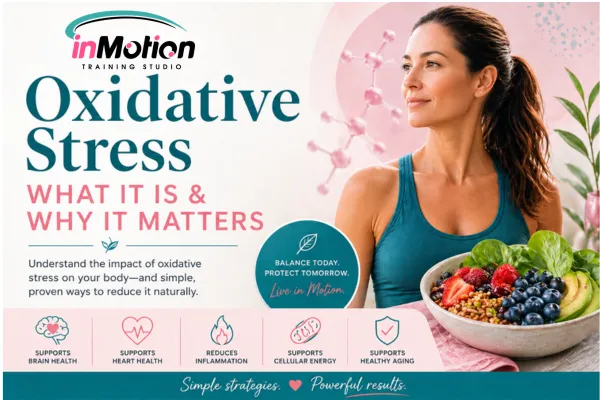
What is Oxidative Stress
What is oxidative stress?
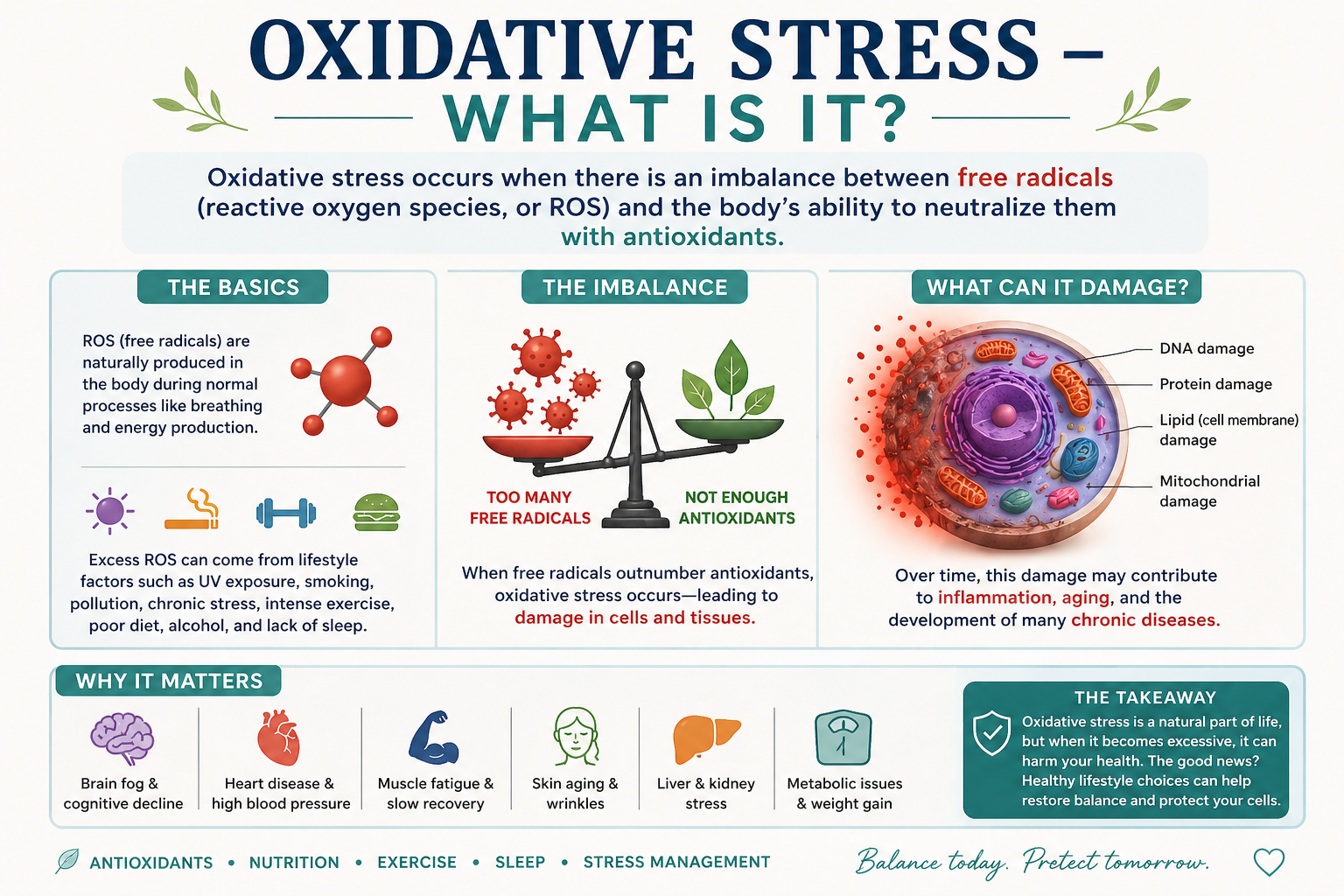
Understanding the impact of oxidative stress on health, disease, and aging and exploring effective mitigation strategies for enhanced well-being.
What to know
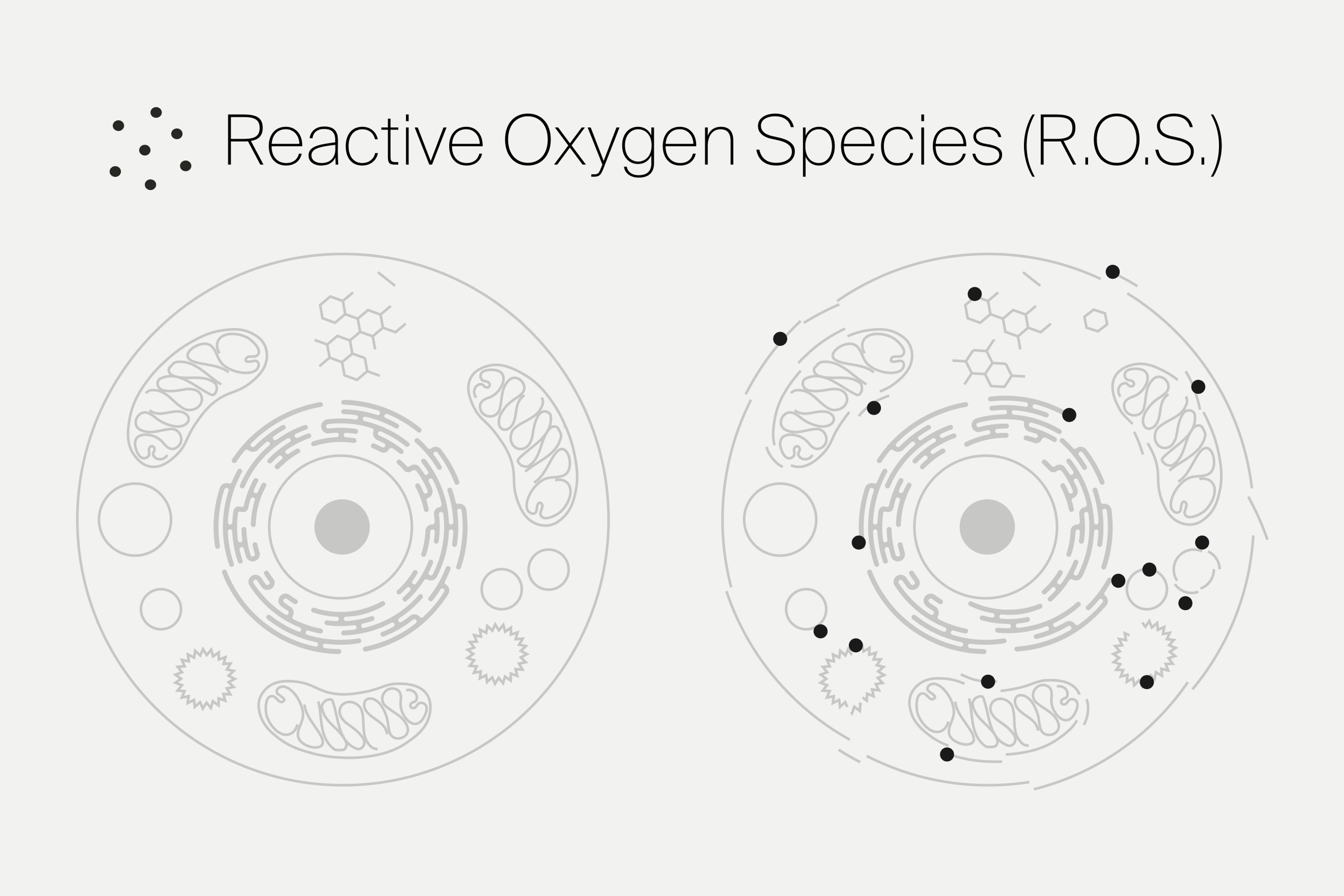
Oxidative stress occurs when there is an imbalance of compounds called reactive oxygen species, which includes free radicals
Oxidative stress may cause damage to the cells and may contribute to the development of disease
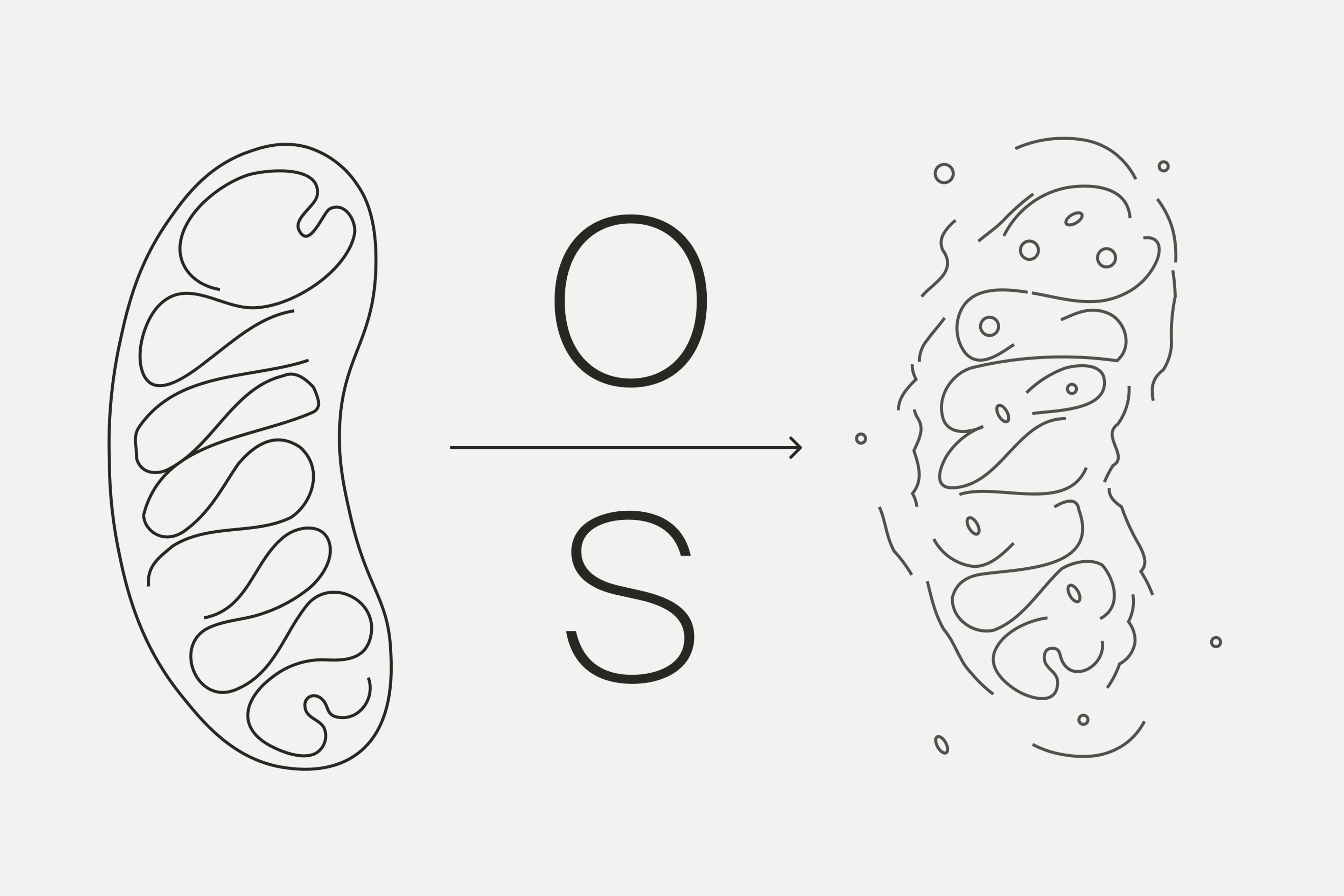
The mitochondria, the “powerhouse” of the cell, are susceptible to oxidative damage
Strategies to reduce oxidative stress and promote mitochondrial health include exercise, calorie restriction, and consuming enough antioxidants
In the world of health and wellness, the term "oxidative stress" frequently emerges as a central antagonist in the narrative of aging and disease. But what does oxidative stress mean? And how does it impact health and longevity?
Join us as we explore this complex process and identify possible steps we can take to reduce it for improved health.
What Is Oxidative Stress?
(And Why It Matters More Than You Think After 40)
You’ve probably heard the term oxidative stress tossed around in the health world… but what does it actually mean—and why should you care?
Let’s break it down in a way that actually makes sense (and matters for your energy, metabolism, and long-term health).
What Is Oxidative Stress?
Oxidative stress happens when your body has more reactive oxygen species (ROS)—also known as free radicals—than it can handle.
These compounds are naturally produced during everyday processes like:
Breathing
Digestion
Exercise
Energy production
But here’s the catch…
When production outpaces your body’s ability to neutralize them (via antioxidants), that’s when damage starts to happen.
Think of it like this:
A little “internal rust” is normal.
Too much? Now things start breaking down.
Sources of excess oxidative stress include:
Chronic stress
Poor nutrition
Blood sugar swings
Environmental toxins (pollution, UV exposure)
Overtraining without recovery
(Jakubczyk et al., 2020)
How Oxidative Stress Affects the Body
This isn’t just a “theoretical” problem—it shows up everywhere in the body.
🧠 Brain + Cognitive Function
Oxidative stress can damage neurons and impact brain signaling, contributing to:
Brain fog
Memory issues
Cognitive decline
(Hajam et al., 2022)
💪 Muscle + Metabolism
This is where it hits your clients hard.
Oxidative stress can:
Reduce muscle function
Impair recovery
Contribute to insulin resistance
Translation:
👉 harder to build muscle
👉 easier to store fat
👉 energy crashes
(Lian et al., 2022)
🧬 Skin + Aging
Free radicals accelerate:
Wrinkles
Loss of elasticity
Visible aging
(Rinnerthaler et al., 2015)
❤️ Heart + Cardiovascular Health
Oxidative stress is strongly linked to:
Inflammation
Artery damage
Heart disease
(Tsutsui et al., 2011)
🧪 Liver + Kidneys
These detox organs take a hit when oxidative stress is high:
Increased inflammation
Reduced function
Poor toxin clearance
(Hajam et al., 2022)
The Metabolism Connection (This Is the Big One)
Oxidative stress and metabolic dysfunction go hand-in-hand.
When you see:
High blood sugar
Chronic inflammation
Hormonal imbalance
Fatigue
You’re often looking at elevated oxidative stress behind the scenes.
This is especially common in:
Perimenopause
Postmenopause
Chronic stress states
Obesity or insulin resistance
(Hajam et al., 2022)
What’s Happening at the Cellular Level?
Here’s where it gets really interesting…
Oxidative stress can damage:
DNA
Cell membranes
Mitochondria
And mitochondria?
👉 They’re your energy factories
Ironically, they’re also the biggest source of free radicals.
So when they get damaged:
Energy production drops
Fatigue increases
Recovery slows
Aging accelerates
(Kowalczyk et al., 2021)
Can You Reduce Oxidative Stress?
Short answer: Yes—but not by doing just one thing.
There’s no magic supplement or quick fix.
This is where lifestyle actually matters.
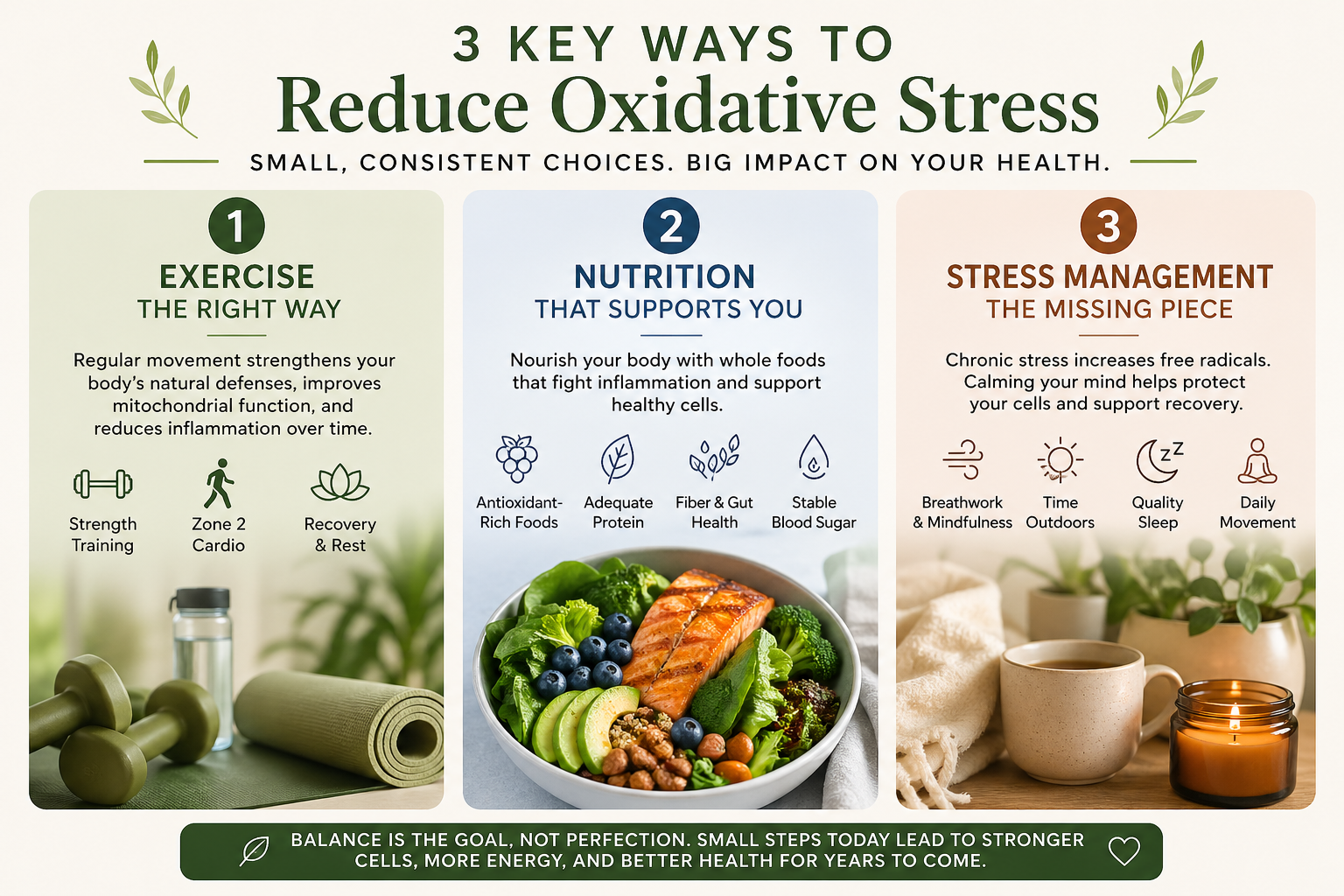
1. Exercise (The Right Way)
Exercise temporarily increases oxidative stress…
👉 but that’s a good thing
Because your body adapts by:
Increasing antioxidant defenses
Improving mitochondrial function
Reducing inflammation over time
The key:
✔ strength training
✔ walking / Zone 2
✔ not overdoing HIIT
(El Assar et al., 2022; Kawamura & Muraoka, 2018)
2. Nutrition That Supports the System
You don’t need perfection—you need consistency.
Focus on:
Antioxidant-rich foods (berries, leafy greens, colorful veggies)
Adequate protein (muscle = metabolic protection)
Fiber (gut health = inflammation control)
Stable blood sugar
Research shows:
Caloric control and intermittent fasting (when appropriate) may reduce oxidative stress
Whole-food, plant-forward diets improve antioxidant status
(Il’yasova et al., 2018; Wegman et al., 2015; Ávila-Escalante et al., 2020)
3. Stress Management (The Missing Piece)
This is the one most people ignore…
Chronic stress = chronic oxidative stress
If your nervous system is constantly in:
👉 fight-or-flight
you’re literally producing more free radicals
Simple strategies:
Daily movement
Breathwork
Time outside
Better sleep
🧪 Supplements That May Help
While lifestyle is the foundation (don’t skip that part), certain supplements can support your body’s ability to fight oxidative stress at the cellular level:
Key Options:
Vitamin C + E → classic antioxidants that help neutralize free radicals
Omega-3s (EPA/DHA) → reduce inflammation + support cell membranes
Magnesium → supports stress response + mitochondrial function
Polyphenols (berries, green tea, curcumin) → powerful plant-based antioxidants
Glutathione (or NAC) → your body’s master antioxidant
👉 Think of these as support tools, not substitutes for sleep, nutrition, and movement.
🧪 Recommended Support (Optional)
If you’re looking to go beyond the basics, certain high-quality supplements can support your body’s ability to manage oxidative stress and improve recovery at the cellular level.
🔬 Practitioner-Grade Supplements
For foundational support (antioxidants, omega-3s, magnesium, gut + metabolic health):
👉 Designs for Health
https://www.designsforhealth.com/u/shannonsegerstrom
Use code: inMotion to save 15%
⚡ Mitochondrial Support (Urolithin A)
Supports mitochondrial function, muscle health, and cellular aging:
👉 Timeline Nutrition (Urolithin A)
https://shop.timeline.com/INMOTION
Use code: inmotion to save 10%
⚡ Advanced Support: Peptides
For those looking at a more advanced or clinical approach…
SS-31 (Mitochondrial Peptide)
Targets the mitochondria directly (where a lot of oxidative stress is created)
Helps improve energy production
May reduce cellular damage and fatigue
Often used for recovery, aging, and metabolic support
👉 In simple terms:
It helps your “energy factories” run cleaner and more efficiently.
Final Thoughts
Oxidative stress isn’t something to eliminate—it’s something to balance.
When it’s controlled:
✔ your body adapts
✔ you get stronger
✔ you age better
When it’s out of control:
❌ inflammation rises
❌ metabolism slows
❌ recovery tanks
❌ disease risk increases
Bottom Line
If you want better:
energy
body composition
hormone balance
longevity
You’re not just “working out” or “eating better”…
👉 You’re managing oxidative stress.
And that’s a much bigger deal than most people realize.
References
Jakubczyk K, et al. Reactive oxygen species - sources, functions, oxidative damage. Pol Merkur Lekarski. 2020.
Hajam YA, et al. Oxidative Stress in Human Pathology and Aging. Cells. 2022.
Lian D, et al. Oxidative Stress in Skeletal Muscle. Antioxidants. 2022.
Rinnerthaler M, et al. Oxidative stress in aging human skin. Biomolecules. 2015.
Tsutsui H, et al. Oxidative stress and heart failure. AJP Heart Circ Physiol. 2011.
Hajam YA, et al. Cells. 2022.
Hajam YA, et al. Cells. 2022.
Kowalczyk P, et al. Mitochondrial Oxidative Stress. IJMS. 2021.
El Assar M, et al. Exercise & Oxidative Stress. IJMS. 2022.
Kawamura T, Muraoka I. Exercise-Induced Oxidative Stress. Antioxidants. 2018.
Il’yasova D, et al. Caloric Restriction & Oxidative Stress. Aging Cell. 2018.
Wegman MP, et al. Intermittent Fasting & Oxidative Stress. Rejuvenation Res. 2015.
Ávila-Escalante ML, et al. Diet & Oxidative Stress. J Food Biochem. 2020.


